
 Dere Test
All 7 dere types · ヒメデレ
Himedere: The Princess Who Expects to Be Adored
She wants a royal welcome, a worthy companion, and, secretly, someone who notices the girl under the crown.
- On the outside
- Proud, poised, expects royal treatment
- On the inside
- Wants to be loved, not obeyed
- Shows love by
- Grand gestures and choosing you publicly
24 questions · Free results · No sign-up
What is a Himedere?
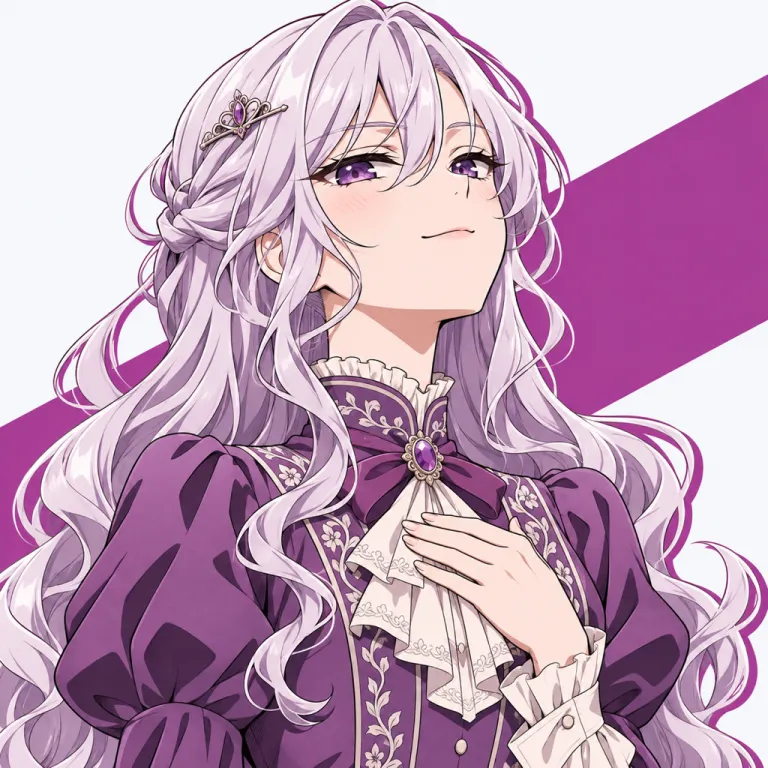
A himedere is a character who acts like royalty and expects to be treated that way, especially by the person she likes. The word joins hime (姫), Japanese for "princess," with dere, from deredere, the sound of someone going soft and lovestruck. Put together, it describes a character whose affection arrives wrapped in pride, standards, and a firm belief that she deserves the best seat in the house.
Some himedere are literal princesses or heiresses, but the title is about attitude rather than bloodline. A student council president who insists her lunch be carried to the roof, a top-ranked chef who judges every dish like a royal taster, or a self-declared queen of the class all qualify. The common thread is a sense of rank: she sees herself as the center of the room and expects the room to agree.
What keeps the type lovable is the crack in the crown. Behind the haughty laugh there is usually a character who has rarely been loved for herself rather than her title, grades, or family name. The best himedere arcs are about someone discovering that being cherished feels better than being obeyed.
6 signs of a Himedere
She sets the terms
Plans, seating, dates, and even the topic of conversation tend to follow her lead. Suggestions from others are welcome as long as they arrive as respectful requests.
Praise is fuel
Compliments land instantly, and she rarely pretends otherwise. Forget to notice her new hairstyle and you may hear about it for the rest of the episode.
Impeccable standards
From tea to test scores, she expects excellence from herself first. The bar she sets for others is high because the bar she sets for herself is higher.
The signature laugh
The ojou-sama "ohohoho," the hand raised to the mouth, the dramatic hair flip: himedere characters love a little theater when they enter a scene.
Generous on her own terms
She can be startlingly kind, gifting expensive things or defending a friend in public, but she prefers that kindness to look like a royal favor rather than a confession.
Flustered by real attention
Ceremony is easy for her; sincere, personal affection is not. A plain "I like spending time with you" can break her composure faster than any rival.
How a Himedere shows affection
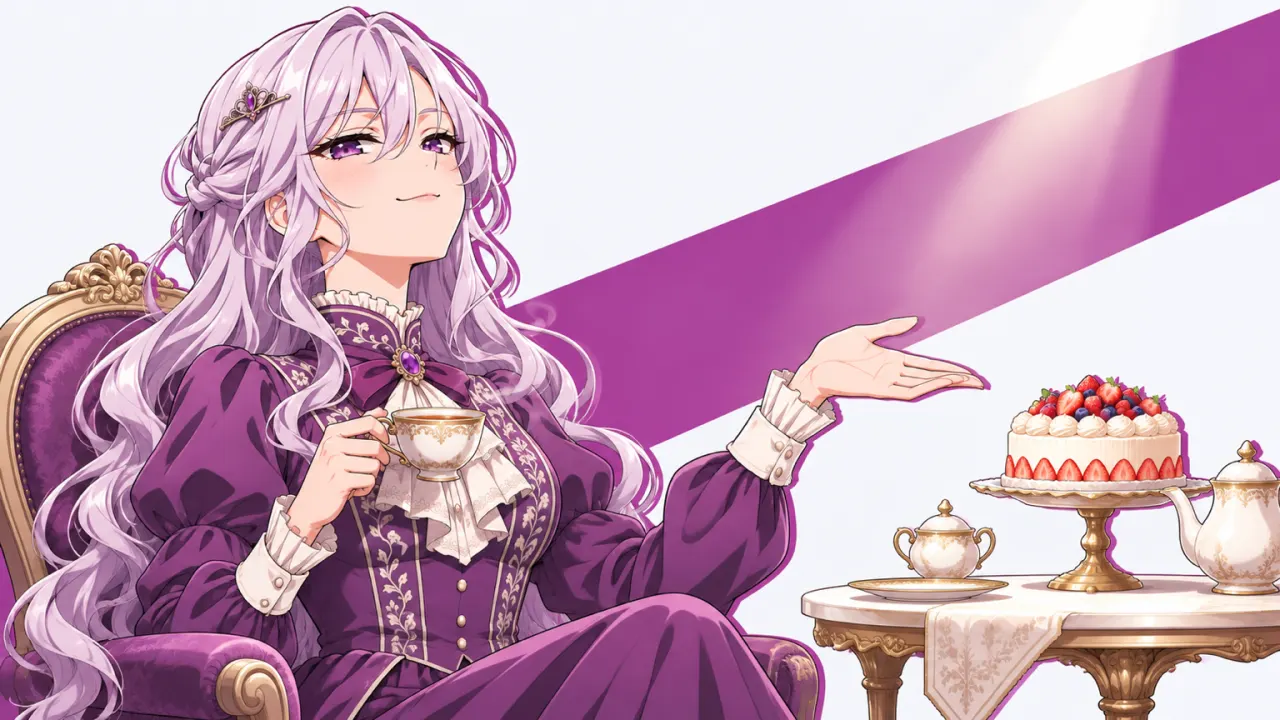
A himedere in love wants to be chosen, and chosen visibly. She expects her love interest to escort her, remember the details, and treat her like the most important person in any room. Early on this looks a lot like bossiness: she assigns him the role of servant, bodyguard, or official taste tester, and frames every request as a privilege she is generously granting.
The turning point in most stories comes when the other person refuses to play courtier but keeps showing up anyway. He disagrees with her, teases her, or treats her like an ordinary classmate, and she finds that far more interesting than the bowing she is used to. Her affection then shifts from demanding attention to giving it, often in grand, slightly over-the-top ways: a hand-made bento that is clearly restaurant quality, a reserved table at the festival, a speech in his defense in front of the whole school.
Underneath the pageantry, the himedere is asking a simple question: will you still be here when I am not impressive? When the answer is yes, she becomes fiercely loyal and surprisingly tender, though she will probably still insist you open the door for her.
Lines you might hear
- Himedere
You may walk me home. Consider it an honor, not a habit.
- Himedere
Of course I noticed you were late. I notice everything that concerns me, and you concern me.
- Himedere
This bento? Merely leftovers from my chef. The heart-shaped egg was his idea, obviously.
- Himedere
Kneel? No, no, just sit next to me. Closer. That is a royal order.
Famous Himedere characters
Erina Nakiri
Food Wars! Shokugeki no Soma
The "God Tongue" heiress of Totsuki rules the academy like a queen and judges everyone, including the hero, by her impossibly high standards.
Kaguya Shinomiya
Kaguya-sama: Love Is War
A pampered elite heiress whose pride makes her scheme to have her crush confess first rather than admit she likes him.
Sena Kashiwazaki
Haganai: I Don't Have Many Friends
The wealthy, beautiful, self-assured daughter of the school chairman, who openly expects to be admired by everyone around her.
Easy to confuse with

Himedere vs Tsundere
Both can be proud and prickly, but they protect different things. A tsundere hides her feelings behind insults because admitting them feels embarrassing. A himedere is less ashamed of liking someone than of not being treated as special while doing it. The tsundere says "It is not like I like you"; the himedere says "You should be grateful I like you."

Himedere vs Kuudere
A cold, elegant heiress can look like a kuudere at first glance. The difference is volume. A kuudere keeps emotions quiet and expects nothing from the room, while a himedere wants the room to notice her. If she is calm but clearly waiting for applause, she is leaning himedere.
Strengths
- Confident and decisive: she knows what she wants and is rarely shy about saying it.
- Holds herself and her people to high standards, which often brings out their best.
- Generous and fiercely protective once someone earns a place in her court.
Growth edges
- Learning that affection does not have to be earned through service or ceremony.
- Asking what makes the other person feel special, not only what makes her feel special.
- Letting people see her unpolished, uncertain moments without treating them as a loss of rank.
FAQ
What is a himedere?
A himedere is an anime and manga character type who acts like a princess and expects to be treated like one, especially by the person she loves. The name combines hime (princess) and dere (lovestruck).
What is the difference between himedere and tsundere?
A tsundere hides affection behind harshness because she is embarrassed by it. A himedere is openly proud and wants special treatment, so her love shows up as demands for attention rather than denial.
Does a himedere have to be a real princess?
No. Heiresses and royalty are common, but any character who carries herself with royal pride and expects devotion can be a himedere, from a student council president to a self-styled queen of the classroom.
Can a male character be a himedere?
Yes, though the term is mostly used for female characters. Male versions are sometimes called oujidere, from ouji (prince), and follow the same pattern of pride, privilege, and a softer side that appears in love.
Are you a Himedere?
Answer 24 quick questions and see which dere style your answers sit closest to.
Take the free quizExplore the other types




Dere Test is an anime-inspired quiz made for fun and self-reflection. It is not a psychological assessment, and archetypes describe fictional characters, not real people.